Tracked My Learning for 90 Days: This Simple Tool Gave Me 14 Extra Hours a Week
Have you ever felt like you’re studying or learning constantly but not really moving forward? I did too—until I started tracking my progress with a simple app I’d overlooked for months. What changed wasn’t just how much I learned, but how I used my time. Over 90 days, I gained back hours every week, felt more focused, and finally saw real growth. This isn’t about working harder—it’s about working smarter with the right tool. And the best part? You don’t need a fancy device, a degree in tech, or even a lot of time to start. Just a small shift in how you see your daily efforts can change everything.
The Time Trap: Feeling Busy But Going Nowhere
Let me paint a picture that might feel familiar. It’s 9 p.m., the kids are finally asleep, dinner’s cleaned up, and you’ve carved out 30 precious minutes for yourself. You open your laptop, ready to dive into that online course you’ve been excited about for weeks. But before you know it, you’ve watched half a video, skimmed a few articles, and ended up scrolling through social media—again. Sound familiar? I’ve been there, more times than I’d like to admit. I thought I was doing everything right: setting goals, buying courses, telling myself I was committed. But at the end of each week, I couldn’t point to real progress. I felt busy, tired, and strangely unfulfilled.
The truth is, effort doesn’t always equal results. I was putting in time, but I wasn’t paying attention to how I was using it. It was like running on a treadmill—lots of motion, but no forward movement. I’d start strong on Monday, watch a few videos, take notes, and feel good. By Wednesday, I’d lose steam. By Friday, I’d forget I was even doing it. Then came the guilt. The cycle repeated: restart, lose focus, give up, repeat. I blamed myself—my willpower, my schedule, my energy. But the real issue wasn’t discipline. It was awareness. Without a way to see what I was actually doing, I had no feedback loop. It was like trying to bake a cake without an oven light. You can follow the recipe, but you can’t see if it’s burning.
That’s when I realized something simple but powerful: if I couldn’t see my progress, I couldn’t improve it. And if I couldn’t improve it, I’d keep feeling stuck. I didn’t need more motivation—I needed a mirror. I needed a way to track my learning in a way that was honest, visible, and kind. Not punishing, not flashy, just real. That’s when I decided to try something I’d ignored for years: a basic habit tracker app. No bells, no whistles. Just a digital space to log when I learned, how long, and what I covered. I didn’t expect much. But within a week, everything started to shift.
Discovering Progress Tracking: A Small Shift with Big Results
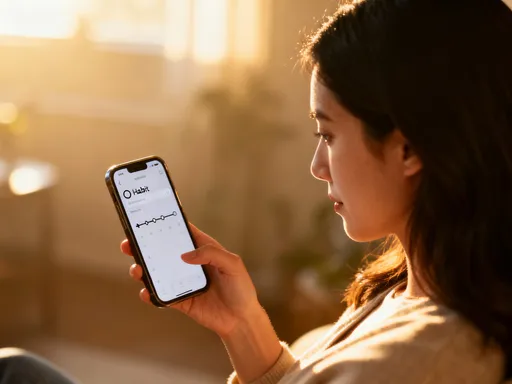
I’ll be honest—I almost deleted the app the first day. It felt silly. Just typing in “15 minutes of Spanish” didn’t seem like a big deal. But I stuck with it, not because it was exciting, but because I was tired of going in circles. I committed to logging just one thing: the time I spent actively learning. Not scrolling, not watching passively, but truly engaging. And something unexpected happened. Seeing that little green dot appear on the calendar after three days in a row lit a small fire in me. I didn’t want to break the streak. It wasn’t about perfection—it was about showing up.
The app didn’t cheer me on or send push notifications. It just showed me the truth. And that truth was powerful. I started noticing patterns. I learned better in the mornings, before the house woke up. My focus dipped after lunch. Evenings? Mostly wasted on autopilot scrolling. I wasn’t lazy—I was just misaligned. Once I saw that, I could adjust. I moved my learning to 7 a.m., paired it with my coffee, and protected that time like a meeting with my most important client: myself. The tracker didn’t change my life overnight, but it gave me something priceless: clarity. I wasn’t failing. I was just invisible to myself. Now, I could see.
And with that visibility came a quiet kind of confidence. It wasn’t loud or flashy, but steady. I began to trust myself again. If I could do 15 minutes today, I could do it tomorrow. And if I missed a day? No drama. I just started again. The app didn’t shame me. It just waited. That lack of pressure made all the difference. I wasn’t trying to impress anyone—I was building a habit that served me. Over time, those 15 minutes turned into 25, then 30. Not because I forced it, but because I wanted to. The progress tracker became a gentle guide, not a taskmaster. It taught me that small, consistent actions add up in ways big bursts never can.
How Tracking Transformed My Daily Routine
Once I could see how long things actually took, my whole relationship with time changed. I used to think I needed big blocks—two hours on the weekend, a full evening—to make progress. But the tracker showed me something surprising: focused, short sessions were more effective than long, distracted ones. Twenty-five minutes of real learning beat an hour of half-hearted effort. That was a game-changer. I stopped waiting for the perfect time and started using the time I had.
I began grouping similar topics—like cooking techniques or personal finance basics—into learning blocks. I’d spend one week diving into budgeting tools, the next exploring healthy meal planning. The tracker helped me see which topics held my attention and which I kept avoiding. That told me something important: maybe I wasn’t lazy—I just wasn’t interested in the right way. So I adjusted. I swapped dry financial articles for short videos. I turned language learning into a game with flashcards. The tool didn’t tell me what to learn, but it showed me what stuck. And that helped me design a routine that fit my life, not someone else’s ideal.
I also started treating learning like an appointment. I blocked time on my calendar, same as I would for a doctor’s visit or a school pickup. Why? Because now I knew it mattered. The tracker proved it. Those 30 minutes weren’t just ‘me time’—they were growth time. And when I saw the streak grow, I felt proud. Not because I was learning faster than anyone else, but because I was showing up for myself. My family noticed the change too. I was less frazzled, more present. I wasn’t hiding in my room feeling guilty—I was investing in me, and it showed.
The Ripple Effect on Focus and Confidence
Here’s what surprised me most: the confidence boost. I didn’t expect tracking my learning to make me feel more capable in other areas of life. But it did. Completing small goals every day created a momentum I hadn’t felt in years. It wasn’t about the content—I could have been learning knitting patterns or gardening tips. It was about the act of following through. That consistency spilled over. I started organizing my pantry, sticking to my morning walk, even tackling long-delayed home repairs. Small wins built a quiet strength.
I shared my progress with a few close friends, not to brag, but to stay accountable. We’d text each other our daily streaks, celebrate milestones, and cheer each other on. It became a tiny community of support. I even taught my teenage daughter the same method for her school projects. She started tracking her study time, and guess what? Her grades improved—not because she studied more, but because she studied smarter. She could see what worked and what didn’t. That’s the real power of tracking: it turns effort into insight.
And the mental clutter? It started to clear. I stopped asking, “Did I do enough today?” and started asking, “What did I learn? What’s next?” That shift in mindset was everything. I wasn’t chasing perfection—I was building awareness. The tracker didn’t just save me time; it gave me peace. I wasn’t scattered anymore. I had a rhythm. I had direction. And in a world that constantly pulls us in ten directions at once, that sense of calm is priceless.
Choosing the Right Tool: Simplicity Over Features
Let me save you some time: don’t overthink the tool. I made that mistake. I tried three different apps before finding one that worked. The first had a sleek dashboard with graphs, charts, and social sharing. It looked impressive, but it felt like homework. The second had gamification—badges, levels, leaderboards. Fun for a day, then exhausting. The third? Just a timer and a calendar view. No distractions. No pressure. That was the one.
What I learned is this: the best tools stay out of your way. They don’t demand attention—they support your goals quietly. Look for something with two core features: a simple way to log time and a visual history (like a calendar with colored dots). Avoid apps with social feeds, complex settings, or constant notifications. You don’t need to compete with strangers or earn virtual coins. You need consistency, not entertainment.
And here’s a tip: start with what you already have. Your phone’s notes app, a paper journal, or even a spreadsheet can work. The tool doesn’t have to be digital. What matters is that it’s easy to use and hard to ignore. I kept my tracker on my home screen, right next to my weather app. Every morning, I’d see it. That visibility made all the difference. You don’t need the most advanced tech—just the one that fits your rhythm. When you find it, stick with it. Don’t jump to the next shiny thing. Trust the process.
Making It Stick: From Tracking to Lasting Change
So how do you make this a habit, not just a 90-day experiment? It comes down to three small rules I learned the hard way. First, track at the same time every day. I do mine right after my morning coffee. It’s paired with a ritual I already love, so it sticks. Second, keep it visible. Out of sight, out of mind. Whether it’s your phone, a sticky note on the fridge, or a notebook by your bed, make sure you see it daily. Third, forgive missed days. Perfection kills progress. If you skip a day, don’t spiral. Just log it as “0” and start again tomorrow. The goal isn’t a perfect streak—it’s a lasting practice.
The real magic isn’t in the data—it’s in the daily pause. That moment when you ask, “What did I learn today?” It’s a tiny act of reflection that builds self-awareness over time. It’s like brushing your teeth for your mind. You don’t do it because it feels amazing in the moment—you do it because it keeps the bigger system healthy. Over 90 days, that daily check-in changed how I see myself. I’m not someone who fails at goals. I’m someone who shows up, adjusts, and keeps going.
And here’s what no one tells you: the habit spreads. Once you’ve built one consistent practice, others follow. I started tracking my walks, my water intake, even my gratitude. Not because I’m obsessed with data, but because I’ve learned the power of visibility. When you can see it, you can improve it. That’s the quiet revolution of simple tracking—it turns invisible effort into visible growth.
Why This Matters Beyond Productivity
This journey wasn’t just about gaining 14 extra hours a week—though that’s a nice bonus. It was about reclaiming a sense of agency in my life. In a world that moves fast and demands so much, it’s easy to feel like a passenger. Tracking my learning reminded me that I’m still the driver. Small, consistent choices add up to real change. I didn’t need a dramatic overhaul—just one minute a day to log my progress.
And that minute gave me something deeper: hope. Hope that growth is possible, even in the busiest seasons of life. Hope that I can still learn, evolve, and become more of who I want to be. It’s not about becoming an expert or chasing titles. It’s about showing up for yourself, day after day, with kindness and curiosity. The tracker didn’t make me smarter—it helped me see that I already was. It just took a little light to see it clearly.
So if you’re feeling stuck, overwhelmed, or just unsure where your time goes, I’ll leave you with this: start small. Pick one thing you’d like to grow in—cooking, language, personal finance, parenting skills—and track it for five minutes a day. Use any tool that feels easy. Just begin. You don’t need to know the whole path. You just need to take the first step, log it, and do it again tomorrow. Because real change isn’t loud. It’s quiet, consistent, and deeply personal. And it’s already within your reach.