Glow From Within: How What You Eat Shapes Your Skin
You’ve probably noticed how a late-night snack or a stressful week can show up on your face before anything else. That’s because your skin isn’t just a mirror—it’s a diary of your habits, especially your diet. What you eat plays a major role in how clear, bright, and balanced your complexion stays over time. Scientific research increasingly confirms that nutrition directly influences skin health, from texture and tone to resilience against aging. I’ve tested this myself—small tweaks in food choices brought real, visible changes. No magic, just science and consistency. This isn’t about extreme diets or overnight miracles. It’s about making informed, sustainable choices that support your skin from the inside out.
The Skin-Diet Connection: More Than Just Acne Myths
For decades, the idea that food affects the skin was dismissed as folklore. Dermatologists often told patients that chocolate or greasy foods had no real impact on acne. But modern science tells a different story. The connection between what you eat and how your skin looks is now well-supported by research in both dermatology and nutritional biology. Your skin is the body’s largest organ, and like all organs, it depends on the nutrients you supply. It reflects internal processes such as inflammation, hormonal balance, and oxidative stress—all of which are influenced by diet.
Inflammation, in particular, is a key player. Chronic, low-grade inflammation can manifest on the skin as redness, puffiness, or persistent breakouts. Certain foods—especially those high in refined sugars and unhealthy fats—trigger inflammatory responses in the body. When blood sugar spikes, it leads to increased insulin production, which in turn can stimulate oil glands and promote acne development. This is why high-glycemic diets are now linked to more frequent and severe acne in multiple studies.
Another critical link is gut health. The gut-skin axis refers to the communication pathway between your digestive system and your skin. A balanced gut microbiome helps regulate immune responses and reduces systemic inflammation. When the gut is disrupted—by poor diet, stress, or antibiotics—it can lead to conditions like eczema, rosacea, or even premature aging. Fermented foods, fiber-rich plants, and adequate hydration support a healthy gut, which in turn supports clearer, calmer skin.
Additionally, nutrient deficiencies can directly affect skin integrity. For example, low levels of zinc are associated with slower wound healing and increased acne severity. Vitamin A is essential for skin cell turnover, while vitamin C is required for collagen synthesis. When your diet lacks these key nutrients, your skin shows the signs—dryness, dullness, uneven tone, or increased sensitivity. The evidence is clear: long-term skin health is not just about topical treatments but about consistent internal nourishment.
The Problem with Modern Eating (And Why Your Skin Feels It First)
Today’s typical diet is packed with convenience foods that do more harm than good. Processed snacks, sugary beverages, fast food, and refined carbohydrates dominate many households. While these foods may satisfy hunger quickly, they often lack essential nutrients and are high in ingredients that stress the body. The consequences may not show up immediately on the scale or in energy levels—but they often appear first on the skin.
Sugar is one of the most common culprits. When you consume excess sugar, it binds to proteins in a process called glycation. This creates advanced glycation end products (AGEs), which damage collagen and elastin—the proteins responsible for skin firmness and elasticity. Over time, this leads to sagging, fine lines, and a loss of radiance. Even moderate sugar intake, if consistent, can accelerate skin aging. That daily latte with extra syrup or the afternoon cookie may seem harmless, but the cumulative effect is visible.
Processed foods also tend to be high in omega-6 fatty acids, found in vegetable oils like soybean or corn oil. While omega-6 fats are essential in small amounts, an imbalance between omega-6 and omega-3 fats promotes inflammation. Most Western diets contain far too much omega-6 and too little omega-3, creating a pro-inflammatory state that can worsen conditions like acne, psoriasis, and dermatitis. This imbalance doesn’t just affect the skin—it impacts overall health—but the skin is often the first to signal trouble.
Dehydration and low fiber intake further compound the problem. Many people don’t drink enough water, and their diets lack sufficient fruits, vegetables, and whole grains. Fiber feeds beneficial gut bacteria, and without it, the gut lining can become compromised—a condition sometimes referred to as “leaky gut,” which may trigger immune responses visible on the skin. Meanwhile, dehydration reduces skin turgor, making it look flat and tired. Even mild dehydration can make fine lines more noticeable and slow down the skin’s natural renewal process.
Real-life signs are often subtle but telling. Have you ever noticed redness after a heavy meal? Or breakouts that flare up every few weeks, like clockwork? These may not be random. They could be your body’s way of reacting to dietary patterns. The good news is that by identifying and adjusting these habits, you can support your skin’s resilience and restore balance.
Superfoods That Actually Work—No Hype, Just Results
Not all foods are created equal when it comes to skin health. Some stand out for their high concentration of nutrients that directly support skin structure, repair, and protection. These are not trendy “miracle” foods but well-researched, nutrient-dense options that deliver measurable benefits. Incorporating them into your daily routine doesn’t require a complete diet overhaul—just a few smart additions.
Fatty fish like salmon, mackerel, and sardines are rich in omega-3 fatty acids, particularly EPA and DHA. These fats reduce inflammation, strengthen the skin barrier, and help retain moisture. Studies show that people who consume omega-3s regularly experience less redness, fewer breakouts, and improved skin hydration. If you don’t eat fish, flaxseeds, chia seeds, and walnuts are plant-based sources of ALA, a precursor to EPA and DHA, though conversion in the body is limited.
Colorful vegetables and fruits are another powerhouse group. The deeper the color, the higher the antioxidant content. Carrots, sweet potatoes, and spinach are rich in beta-carotene, which the body converts to vitamin A—an essential nutrient for skin cell regeneration. Berries, especially blueberries and strawberries, are loaded with vitamin C and polyphenols that protect against free radical damage. Lycopene, found in cooked tomatoes, has been shown to improve skin texture and offer mild protection against UV damage when consumed regularly.
Nuts and seeds provide vitamin E, a fat-soluble antioxidant that works synergistically with vitamin C to protect skin cells from oxidative stress. Almonds, sunflower seeds, and hazelnuts are excellent sources. Vitamin E helps maintain skin elasticity and may reduce the appearance of scars over time. Avocados offer a unique combination of healthy fats, vitamin E, and vitamin C, making them a complete skin-support food.
Fermented foods like yogurt, kefir, sauerkraut, and kimchi support gut health by introducing beneficial bacteria. A balanced gut microbiome helps regulate inflammation and improves nutrient absorption—both of which are crucial for clear, glowing skin. Including just one serving of fermented food daily can make a noticeable difference in skin clarity, especially for those prone to occasional breakouts or sensitivity.
Smart Pairings: Combining Foods for Maximum Glow
Even the most nutritious foods won’t deliver their full benefits if your body can’t absorb them. That’s where food synergy comes in—the idea that certain nutrients work better together. By pairing foods strategically, you can significantly boost nutrient uptake and enhance their impact on your skin.
One of the most effective pairings involves vitamin C and plant-based iron. Non-heme iron, found in lentils, spinach, and tofu, is not as easily absorbed as the iron in meat. But when consumed with vitamin C-rich foods like bell peppers, citrus, or strawberries, absorption can increase by up to six times. This is especially important for women, who are more prone to iron deficiency, which can lead to pale, dull skin and hair loss. A simple lunch of lentil soup with a side of orange slices or a spinach salad with lemon dressing can make a real difference.
Another key synergy involves fat-soluble vitamins—A, D, E, and K. These vitamins require dietary fat to be absorbed effectively. Eating raw carrots is healthy, but cooking them with a little olive oil increases the availability of beta-carotene. Similarly, adding avocado to a salad with leafy greens enhances the absorption of vitamin K and other antioxidants. This doesn’t mean you need large amounts of fat—just a modest amount of healthy fat like olive oil, nuts, or seeds.
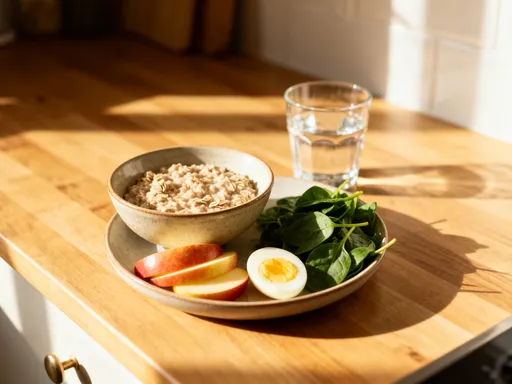
Calcium and vitamin D are another important pair. While dairy and fortified plant milks provide calcium, vitamin D—obtained from sunlight or foods like fatty fish and egg yolks—helps the body use it. Strong bones are important, but so is skin repair, as calcium plays a role in cell signaling and wound healing. A breakfast of fortified oatmeal with sliced banana and a boiled egg provides both nutrients in one balanced meal.
Finally, combining fiber with probiotics enhances gut health. Prebiotic fibers—found in onions, garlic, bananas, and asparagus—feed the beneficial bacteria from probiotic foods. This combination supports a resilient gut lining, reduces inflammation, and improves overall digestion. A simple snack of Greek yogurt with sliced banana or a salad with sauerkraut and raw onions can promote both gut and skin health.
Hydration Beyond Water: What Truly Keeps Skin Plump
Everyone knows that drinking water is important for skin, but hydration is more complex than just how much you drink. Cellular hydration—the ability of your skin cells to retain water—depends on a balance of fluids, electrolytes, and nutrients. Drinking eight glasses a day is a good start, but if your diet lacks key minerals like potassium, magnesium, and sodium, your body may struggle to maintain optimal hydration levels.
Electrolytes play a crucial role in fluid balance. Potassium, in particular, helps cells retain water and counteracts the dehydrating effects of excess sodium. Foods rich in potassium—such as bananas, sweet potatoes, spinach, and avocados—support skin plumpness and reduce puffiness. Magnesium, found in nuts, seeds, and leafy greens, also contributes to skin hydration and may help reduce inflammation.
Water-rich foods are another powerful tool. Cucumbers, celery, watermelon, oranges, and strawberries are over 90% water and provide hydration along with vitamins and antioxidants. Eating these foods not only helps meet your fluid needs but also delivers nutrients directly to skin cells. A refreshing cucumber and tomato salad or a bowl of mixed melon can be more effective than drinking water alone because they provide both fluid and electrolytes.
At the same time, it’s important to limit dehydrating beverages. Coffee and tea in moderation are fine, but excessive caffeine can have a mild diuretic effect. Sugary drinks like soda and energy drinks cause blood sugar spikes and contribute to inflammation and glycation. Alcohol is particularly dehydrating and can dilate blood vessels, leading to redness and broken capillaries over time. Reducing these drinks—even by one per day—can lead to visibly smoother, more even-toned skin.
Hydration also affects skin elasticity. Well-hydrated skin bounces back quickly when gently pinched, while dehydrated skin appears flat and may show more fine lines. This isn’t the same as aging—it’s a temporary condition that can improve with better fluid balance. Listening to your body’s thirst signals, eating hydrating foods, and minimizing dehydrating drinks are simple steps that yield visible results.
Realistic Eating for Busy Lives—No Perfection Needed
Knowing what to eat is one thing—actually doing it every day is another. For many women juggling work, family, and household responsibilities, healthy eating can feel overwhelming. The pressure to eat perfectly often leads to frustration or giving up altogether. But the goal isn’t perfection—it’s progress. Small, consistent changes are more effective and sustainable than drastic overhauls.
The 80/20 rule is a practical approach: aim to eat nutrient-dense, skin-supportive foods about 80% of the time, and allow flexibility for the other 20%. This means you can enjoy a slice of birthday cake or a takeout meal without guilt. The key is that the majority of your meals provide the nutrients your skin needs. Over time, this balance supports long-term health without creating stress.
Simple swaps make a big difference. Choose whole grains over refined ones—brown rice instead of white, whole wheat bread instead of white. Replace sugary snacks with fruit and nuts. Use olive oil instead of butter for cooking. These changes don’t require extra time or effort but gradually improve your nutrient intake. Meal prep doesn’t have to mean cooking every meal on Sunday. Just chopping vegetables, hard-boiling eggs, or cooking a batch of quinoa can save time during the week.
Planning ahead reduces reliance on convenience foods. Keep healthy snacks on hand—almonds, yogurt, apple slices, or hummus with carrot sticks. When hunger strikes, you’re more likely to reach for something nourishing instead of something processed. Keeping your kitchen stocked with whole foods makes healthy choices the easy choices.
Finally, shift your mindset from restriction to nourishment. Instead of thinking, “I can’t eat that,” focus on what you can add—more color, more fiber, more healthy fats. Meals become an opportunity to care for yourself, not a source of guilt. This positive approach supports both mental well-being and physical health, creating a cycle of self-care that benefits your skin and your life.
When to See a Pro: Knowing the Limits of Diet
Diet is a powerful tool, but it’s not a cure-all. While many skin concerns improve with better nutrition, some conditions require medical evaluation and treatment. Acne that is severe, painful, or leaves scars should be addressed by a dermatologist. Rosacea, eczema, psoriasis, and persistent rashes often need prescription therapies alongside lifestyle changes.
Similarly, sudden changes in skin texture, pigmentation, or hair loss may signal underlying health issues such as hormonal imbalances, thyroid disorders, or nutrient deficiencies that go beyond what diet alone can fix. A registered dietitian can help identify nutritional gaps and create a personalized eating plan. Blood tests may be needed to confirm deficiencies in iron, vitamin D, or B12, which can all affect skin health.
It’s also important to recognize that genetics play a role. Some people are naturally more prone to certain skin conditions, and while diet can help manage symptoms, it may not eliminate them entirely. The goal is to work with your body, not against it. Combining medical care with smart nutrition offers the best chance for clear, healthy skin.
Don’t hesitate to seek help if you’re unsure. A healthcare provider can guide you safely and prevent well-meaning efforts from going off track. Responsible self-care means knowing when to take action on your own and when to ask for support.
Your Plate, Your Skin’s Partner
Glowing skin isn’t the result of a single product or a fleeting trend. It’s the outcome of daily choices that support your body’s natural processes. What you eat matters—not because it promises instant perfection, but because it provides the building blocks your skin needs to stay strong, resilient, and radiant over time. Every meal is an opportunity to nourish yourself from within.
The connection between diet and skin is real, backed by science, and accessible to everyone. You don’t need expensive treatments or restrictive diets. You need consistency, knowledge, and compassion for yourself. By choosing whole foods, staying hydrated, and making small, sustainable changes, you create a foundation for lasting skin health.
Let your plate be your partner in this journey. View food not as the enemy, but as a form of daily self-care. When you feed your body well, your skin responds—not overnight, but steadily, quietly, and beautifully. That glow? It’s not just on the surface. It’s a sign that you’re taking care of yourself, inside and out.