You Won't Believe How Simple This Health Fix Is
Living well doesn’t have to mean complicated diets or extreme routines. I used to think tracking my health meant endless doctor visits and confusing numbers—until I discovered how simple changes in my daily eating habits started showing real results. From energy levels to how my clothes fit, small shifts in nutrition made measurable differences in my body’s signals. This is about tuning in, not toughing it out. What I learned wasn’t a secret formula or a miracle supplement, but a quiet recalibration of how I approached food, movement, and rest. And the best part? It didn’t require perfection—just awareness, consistency, and a willingness to listen to what my body was trying to tell me.
The Wake-Up Call: When Everyday Fatigue Became a Red Flag
For years, I chalked up my constant fatigue to being a busy adult. Mornings were a struggle. By mid-afternoon, I’d hit a wall—eyes heavy, thoughts sluggish, motivation gone. I’d grab another cup of coffee or a sugary snack, thinking it was just part of adult life. I wasn’t overweight, didn’t smoke, and tried to walk when I could. On paper, I was fine. But inside, something felt off. I was irritable, forgetful, and increasingly disconnected from my own body. It wasn’t until a routine check-up that I realized how much I’d been ignoring.
My doctor suggested basic blood work—not because I was sick, but as part of a preventive screen. When the results came back, several markers were outside the optimal range. My blood pressure was slightly elevated. My fasting glucose was creeping up. Cholesterol levels, particularly LDL, were higher than they should be for someone my age. My BMI was within the normal range, but my waist circumference suggested a higher risk for metabolic issues. I wasn’t diagnosed with any condition, but the message was clear: I was on a path toward one.
These numbers were not abstract. They were signals—my body’s quiet way of saying it needed better fuel, more balance, and more care. I had assumed that as long as I didn’t feel sick, I was healthy. But health isn’t just the absence of illness. It’s the presence of energy, clarity, and resilience. My body wasn’t failing me; it was asking for support. That moment became my wake-up call. Instead of panicking or turning to quick fixes, I decided to learn what these markers meant and how I could influence them through everyday choices.
Blood pressure, for instance, reflects how hard the heart works to pump blood. Consistently high readings increase the risk of heart disease and stroke. Blood sugar levels indicate how well the body manages glucose—chronic elevation can lead to insulin resistance and type 2 diabetes. Cholesterol, especially LDL (often called “bad” cholesterol), contributes to plaque buildup in arteries. And BMI, while limited, gives a general sense of body composition, though waist measurement is often a better predictor of metabolic health. These weren’t just medical terms—they were measurable reflections of my daily habits.
Nutrition Isn’t Just About Weight—It’s About Vital Signals
Like many people, I once believed that health was mostly about appearance. If I looked thin, I assumed I was fine. But the truth is, you can be thin and metabolically unhealthy. You can wear a small size and still have high blood pressure or insulin resistance. Weight is just one piece of the puzzle. What I began to understand was that nutrition doesn’t just shape your body—it shapes your internal environment. Every bite of food sends signals to your cells, influencing inflammation, hormone balance, and organ function.
Processed foods, in particular, send mixed messages. A packaged snack might taste satisfying, but its high sugar, refined carbs, and unhealthy fats trigger spikes in blood glucose and insulin. Over time, this can dull the body’s response to insulin, making it harder to regulate energy. These foods also promote inflammation—a silent driver of chronic conditions like heart disease and arthritis. What’s worse is that these effects can build up over years without obvious symptoms. You don’t feel inflamed. You just feel tired, foggy, or achy—symptoms easy to dismiss.
One of the first changes I made was eliminating sugary drinks. I used to drink soda daily, thinking it was harmless since I didn’t eat much junk food. But research shows that liquid sugar is especially damaging. Unlike solid food, it doesn’t trigger fullness cues, so you consume more calories without realizing it. It also floods the liver with fructose, contributing to fat buildup and insulin resistance. After switching to water, herbal tea, and the occasional sparkling water with lemon, I noticed changes within weeks. My afternoon crashes became less severe. I felt less bloated. And when I had my blood sugar checked again, my fasting levels had improved.
This wasn’t about willpower. It was about awareness. I stopped seeing food as just fuel or comfort and started seeing it as information. A meal rich in whole grains, vegetables, and lean protein sends a message of stability—steady energy, balanced hormones, reduced inflammation. A meal high in processed ingredients sends chaos. The body responds accordingly. By choosing real food more often, I wasn’t just eating better—I was teaching my body to function better.
The Plate That Changed My Numbers
I didn’t overhaul my kitchen or adopt a trendy diet. What changed was the composition of my plate. Instead of focusing on restriction, I focused on inclusion—adding more of what my body needed rather than obsessing over what to cut out. My typical day now includes whole grains like oats and brown rice, lean proteins such as chicken, eggs, and legumes, healthy fats from avocado and olive oil, and a variety of colorful vegetables. Nothing exotic. Nothing expensive. Just real, recognizable food.
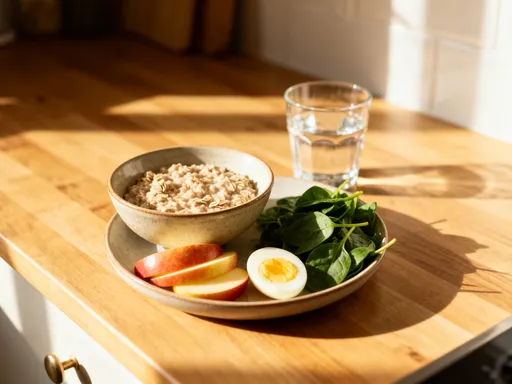
Breakfast, for example, used to be a pastry or a sugary cereal. Now, it’s often a bowl of oatmeal topped with berries and a spoonful of almond butter. Oats are rich in soluble fiber, which helps lower LDL cholesterol. Berries provide antioxidants that combat inflammation. Almond butter adds healthy fats that keep me full longer. Lunch might be a large salad with mixed greens, grilled chicken, chickpeas, cucumbers, tomatoes, and a simple olive oil and lemon dressing. Dinner is usually a balanced plate—half vegetables, a quarter lean protein, and a quarter whole grains. I eat until I’m satisfied, not stuffed.
Portion control plays a role, but not in a rigid way. I’ve learned to listen to my body’s hunger and fullness cues. I eat slowly, without distractions, which helps me recognize when I’ve had enough. Meal timing also matters. I try to eat at consistent times each day, which helps regulate my metabolism and blood sugar. Skipping meals used to be common for me, but I’ve learned that it often leads to overeating later and unstable energy. Now, I aim for three balanced meals and, if needed, a small, nutritious snack.
Within a few weeks, the changes showed up in both how I felt and what the numbers said. My energy levels stabilized. I no longer needed that 3 p.m. sugar fix. My clothes fit better—not because I lost a dramatic amount of weight, but because my body composition was shifting. And when I had my blood pressure checked again, it had dropped into a healthier range. My doctor noted the improvement and asked what I’d changed. When I explained my simple shift in eating habits, she nodded. “This,” she said, “is how prevention works.”
Tracking Without Obsessing: A Low-Effort Monitoring System
Monitoring health doesn’t require high-tech gadgets or daily lab tests. For me, it’s about consistency, not perfection. I use a few simple tools: a reliable home scale, a digital blood pressure monitor, and occasionally, a fasting glucose test kit. I don’t measure every day. Instead, I check in weekly or biweekly, recording the numbers in a small notebook. It’s low-tech, but it works.
The scale tells me about trends, not daily fluctuations. Weight can vary due to water retention, hormones, or digestion, so I look at the overall direction over time. The blood pressure monitor gives me immediate feedback. I take readings at the same time each day, sitting quietly for a few minutes first. If I see a consistent upward trend, I pay attention—maybe I’ve been stressed, eating more salt, or skipping walks. The glucose test is less frequent, usually once a month, to see how my body is managing blood sugar.
What matters most is not the individual number but the pattern. A single high reading isn’t a crisis. But a steady climb is a signal to reassess. I don’t panic or make drastic changes based on one data point. Instead, I look at my recent habits—have I been sleeping poorly? Eating more processed food? Less active? The data helps me connect the dots.
There’s a balance between awareness and obsession. I don’t weigh myself daily or stress over every millimeter of mercury. The goal isn’t perfection—it’s progress. And when numbers stay outside the healthy range despite my efforts, I don’t try to self-diagnose. I schedule a visit with my doctor. Professional guidance is essential. These tools aren’t replacements for medical care—they’re companions to it. They help me stay engaged, informed, and proactive.
The Hidden Power of Fiber and Hydration
Two of the most impactful changes I made were increasing fiber and drinking more water. They sound simple, almost too basic to matter. But their effects were profound. Fiber, especially soluble fiber, plays a crucial role in digestive health, cholesterol management, and blood sugar control. Yet most adults don’t get enough. I started by adding oats to breakfast, beans to salads, apples as snacks, and leafy greens to every meal. These foods are naturally high in fiber and easy to include.
Within days, my digestion improved. Bloating decreased. Bowel movements became more regular. But the real surprise came when my next cholesterol test showed a noticeable drop in LDL. Soluble fiber binds to cholesterol in the digestive system and helps remove it from the body. It’s a small action with a measurable outcome. Fiber also slows the absorption of sugar, preventing spikes and crashes. This helped me maintain steady energy and reduced my cravings for sweets.
Hydration was equally transformative. I used to drink just enough to avoid thirst, not realizing that mild dehydration can mimic other issues—fatigue, headaches, poor concentration. Water is essential for every bodily function, from circulation to temperature regulation to waste removal. When I started carrying a water bottle and aiming for at least eight glasses a day, I felt sharper. My skin looked better. Even my appetite stabilized—sometimes, what I thought was hunger was actually thirst.
The signs of dehydration are subtle but telling. Dark urine, dry skin, fatigue, and difficulty focusing can all point to low fluid intake. By correcting this, I removed a hidden barrier to well-being. I also noticed that I craved fewer sugary drinks. Water became my default. I flavored it with lemon, cucumber, or mint when I wanted variety. This simple shift supported my metabolism, reduced bloating, and helped my body function more efficiently.
Sleep, Stress, and What They Do to Your Blood Work
No amount of healthy eating can fully compensate for poor sleep and chronic stress. I learned this the hard way. During a particularly busy month, I cut back on sleep, skipped meals, and relied on caffeine. Within weeks, my blood pressure rose, my energy plummeted, and my waistline expanded. I felt like I was doing everything right during the day, but my body was under constant strain.
Sleep is when the body repairs itself. Lack of quality sleep disrupts hormones that regulate appetite and stress. Cortisol, the stress hormone, increases when you’re sleep-deprived, promoting fat storage, especially around the abdomen. It also raises blood pressure and impairs insulin sensitivity. Over time, this creates a cascade of negative effects. I realized I couldn’t optimize my health without prioritizing rest.
I started small. I set a consistent bedtime and created a wind-down routine—no screens an hour before bed, a warm cup of herbal tea, maybe some light stretching. I also began taking short evening walks. Movement helps reduce cortisol and supports better sleep. I kept meals at regular times, which helped regulate my internal clock. These habits didn’t fix everything overnight, but over weeks, I noticed a difference. I fell asleep faster. I woke up feeling more refreshed. And when I checked my blood pressure, it had returned to a healthier range.
Stress management became part of my daily rhythm. Instead of reacting to chaos, I built in moments of calm—mindful eating, quiet mornings, short breaks during the day. I stopped seeing self-care as a luxury and started seeing it as maintenance. My blood work reflected the change. My doctor noted improvements not just in blood pressure, but in overall metabolic markers. Sleep and stress aren’t just lifestyle factors—they’re physiological forces that shape your health from the inside out.
Making It Last: Building a Lifestyle, Not a Diet
The reason most diets fail isn’t lack of effort—it’s lack of sustainability. Quick fixes rely on restriction, which creates deprivation. Deprivation leads to cravings. Cravings lead to bingeing. The cycle repeats. What I’ve built isn’t a diet. It’s a lifestyle—one that allows for flexibility, enjoyment, and real life.
I don’t eat perfectly every day. I go to family gatherings, holiday meals, and social events where food is part of the celebration. I eat cake. I have pasta. But I do so without guilt, because these moments are balanced by consistent, healthy choices the rest of the time. The key is not perfection, but proportion. Most of my meals are nourishing. Some are simply enjoyable. That balance is what makes it last.
I keep meals simple. I don’t spend hours cooking. I batch-prep grains and roast vegetables on weekends. I keep staples like beans, canned tomatoes, frozen vegetables, and spices on hand. A healthy meal doesn’t need to be complicated. A bowl of brown rice, black beans, sautéed peppers, and avocado takes minutes to assemble. A smoothie with spinach, banana, oats, and almond milk is ready in seconds. Simplicity removes the barrier to consistency.
Health, I’ve learned, is not a destination. It’s a daily practice. It’s the quiet decision to drink water instead of soda. To walk after dinner. To choose vegetables first. It’s not dramatic. It doesn’t make headlines. But over time, these small choices compound into real change. I no longer see health as something I achieve—I see it as something I live.
Small Bites, Big Changes
Looking back, I’m amazed at how simple the turning point was. I didn’t need a miracle. I didn’t need to suffer. I just needed to pay attention. By making small, sustainable changes in my eating habits, sleep routine, and stress management, I influenced key health markers in a positive way. My energy improved. My numbers improved. My relationship with my body improved.
Real health isn’t found in extreme measures. It’s found in consistency, awareness, and kindness. It’s in choosing water over soda, vegetables over chips, rest over burnout. It’s in listening to your body and responding with care. And when in doubt, it’s in seeking guidance from trusted professionals.
You don’t have to be perfect. You just have to be present. The most powerful health fix isn’t hidden in a lab or a pharmacy. It’s in your kitchen, your daily routine, and your quiet commitment to yourself. Small bites. Big changes. And it’s never too late to begin.