Gut Healing That Sticks: How I Fixed My Digestion for Good
Living with bloating, discomfort, and unpredictable digestion used to be my normal—until I realized healing isn’t about quick fixes, but lasting change. What if the real solution isn’t a drastic diet or miracle supplement, but consistent, gentle choices that actually work long-term? This is how I transformed my gut health, step by step, with real shifts that lasted. It wasn’t overnight, and it wasn’t easy, but it was possible. And if I could do it, so can you.
The Breaking Point: When Digestive Issues Became Impossible to Ignore
For years, I accepted bloating, fatigue, and stomach discomfort as just part of life. I’d eat a meal and spend the rest of the day feeling swollen and sluggish, as if my body were working against me. Social events became sources of anxiety—what if I couldn’t sit comfortably? What if I needed to excuse myself too often? I wore loose clothing not for style, but for survival. The physical discomfort was constant, but the emotional toll ran deeper. I felt disconnected from my body, frustrated by its unpredictability, and embarrassed by symptoms I didn’t understand.
There was no single diagnosis, no dramatic emergency that sent me to the hospital. Instead, it was the accumulation of small moments: missing a walk with a friend because I felt too bloated, skipping a family dinner due to digestive pain, waking up tired despite a full night’s sleep. These weren’t rare occurrences—they were my routine. I began to wonder: if digestion is supposed to be a basic bodily function, why did mine feel so broken? That question marked the beginning of a shift. I stopped dismissing my symptoms as ‘just how I am’ and started asking, ‘What if they’re trying to tell me something?’
This wasn’t about vanity or weight loss. It was about reclaiming daily comfort, energy, and confidence. I realized I didn’t want to just survive meals—I wanted to enjoy them. I wanted to feel light, clear-headed, and strong. The breaking point wasn’t a crisis; it was clarity. My body wasn’t failing me—it was signaling that something needed to change. And for the first time, I was ready to listen.
Rethinking “Fixing” My Gut: Why Quick Fixes Failed
Like many people, I started my journey by chasing quick solutions. I tried restrictive diets—cutting out entire food groups without understanding why. I followed trends: juice cleanses, 30-day challenges, fasting regimens that left me dizzy and irritable. I bought expensive supplements marketed as ‘gut healing miracles,’ only to feel no different after weeks of use. Each time, I’d see a brief improvement—maybe less bloating for a few days—only to have symptoms return, often worse than before. I was chasing relief, not healing, and I was exhausting myself in the process.
What I didn’t understand then was that the gut isn’t designed to respond to extreme interventions. It thrives on balance, rhythm, and consistency. When I eliminated foods abruptly or starved my body of nutrients, I wasn’t helping my digestion—I was disrupting it further. The gut microbiome, that complex community of bacteria in the intestines, needs stability. Sudden changes can wipe out beneficial microbes just as easily as harmful ones. And without those good bacteria, digestion slows, inflammation can rise, and symptoms persist.
I also learned that symptom suppression isn’t the same as healing. Avoiding foods that cause bloating might offer temporary comfort, but if the underlying issue—like poor motility, low stomach acid, or microbial imbalance—remains unaddressed, the problem doesn’t disappear. It just waits. My turning point came when I stopped asking, ‘What can I cut out?’ and started asking, ‘What does my body actually need to function well?’ That shift in mindset changed everything.
The Foundation: What My Gut Actually Needed (Spoiler: It Wasn’t Complicated)
The truth surprised me: my gut didn’t need a complicated protocol or a list of forbidden foods. It needed simple, consistent support. The core elements turned out to be surprisingly basic—fiber, hydration, routine, and mindful eating. These weren’t flashy or trendy, but over time, they made the most significant difference. I began to see my digestive system not as an enemy to control, but as a partner to nurture. And like any relationship, it responded best to kindness, patience, and regular care.
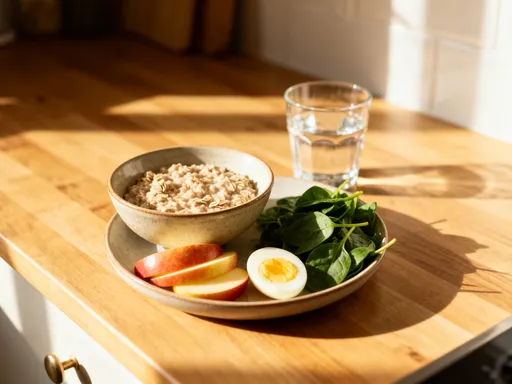
Fiber, for instance, wasn’t just about preventing constipation. I learned that different types of fiber feed different beneficial bacteria in the gut. Soluble fiber, found in oats, apples, and beans, forms a gel-like substance that supports regular bowel movements and helps balance blood sugar. Insoluble fiber, in whole grains and vegetables, adds bulk and keeps things moving. Instead of aiming for a specific number of grams per day, I focused on variety—adding colorful vegetables, legumes, and whole grains to most meals. The result? Improved regularity and less bloating, not because I was restricting, but because I was nourishing.
Hydration played a bigger role than I expected. Water isn’t just for thirst—it’s essential for breaking down food and moving waste through the digestive tract. I started the day with a glass of water and kept a bottle nearby throughout the day. I noticed that on days I drank enough, my digestion felt smoother, and I had more energy. Pairing hydration with routine—eating meals at consistent times—helped regulate my body’s natural digestive rhythm. My gut began to anticipate meals, producing the right enzymes at the right time, which reduced post-meal discomfort.
Mindful eating was the quiet game-changer. I used to eat quickly, often while distracted—standing at the counter, scrolling on my phone, or rushing between tasks. I wasn’t giving my body the chance to prepare for digestion. When I started slowing down, chewing thoroughly, and paying attention to how food tasted and felt, my digestion improved noticeably. It wasn’t about eating perfectly—it was about being present. These foundations weren’t revolutionary, but they were transformative because they were sustainable.
My Daily Non-Negotiables: Simple Habits That Made the Difference
Healing didn’t come from one big change, but from small, repeatable habits I could stick with. I call them my non-negotiables—not rigid rules, but daily practices that became non-optional because I felt the difference when I skipped them. The first was morning hydration. Before coffee, before breakfast, I drank a full glass of water. Sometimes I added a slice of lemon for flavor, but the goal was simple: to kickstart hydration and signal my digestive system to wake up.
My next habit was prioritizing whole foods. I didn’t eliminate anything overnight, but I made a rule: at least 80% of my plate should be recognizable as food—vegetables, fruits, whole grains, legumes, nuts, seeds, and lean proteins. I cooked more at home, read labels, and avoided highly processed meals. This wasn’t about perfection—sometimes I still ate convenience foods—but it was about shifting the balance. I noticed that when I ate more whole foods, my energy was steadier, and my digestion was more predictable.
Fermented foods became a regular part of my routine. I started with small servings of plain yogurt, then added sauerkraut, kimchi, and kefir. These foods contain live cultures—beneficial bacteria that support gut diversity. I didn’t force myself to eat large amounts; a tablespoon of sauerkraut on a sandwich or a small cup of kefir in the morning was enough. Over time, I found I craved these tangy flavors, and my digestion felt more resilient.
Movement after meals was another key habit. I didn’t need intense exercise—just a 10- to 15-minute walk after eating. This gentle activity helped stimulate digestion, reduce bloating, and stabilize blood sugar. On days I stayed seated after meals, I often felt sluggish. But when I moved, even briefly, my body felt lighter. These habits didn’t require extra time or money. They fit into my life because they were designed to last.
Listening to My Body: Learning the Signals Beyond Symptoms
One of the most empowering shifts was learning to tune in before discomfort escalated. I started paying attention to subtle signals—slight bloating after certain meals, a dip in energy in the afternoon, changes in bowel habits. Instead of waiting for a full flare-up, I began to adjust early. This wasn’t about fear or restriction; it was about awareness. I kept a simple journal, noting what I ate, how I felt, and my energy levels throughout the day. I wasn’t tracking calories or blaming foods—I was looking for patterns.
After a few weeks, trends emerged. I noticed that meals high in processed carbohydrates left me tired and bloated by mid-afternoon. When I included protein and fiber, my energy stayed steady. I saw that stress often preceded digestive discomfort, even if I ate the same foods. This journal wasn’t a tool for control—it was a mirror, reflecting how my choices affected my body. It gave me a sense of agency. Instead of feeling at the mercy of my digestion, I could make informed adjustments.
I also learned to distinguish between food sensitivities and situational imbalances. Sometimes, a food that usually agreed with me would cause discomfort—but only when I was stressed or hadn’t slept well. This taught me that digestion isn’t just about what I eat, but about my overall state. I stopped labeling foods as ‘good’ or ‘bad’ and started asking, ‘Is my body ready for this right now?’ That small shift reduced guilt and increased compassion. Listening to my body became less about avoiding discomfort and more about building trust.
The Role of Stress and Sleep in Long-Term Gut Health
No discussion of gut healing is complete without addressing stress and sleep. I used to think of digestion as separate from my mental state, but the connection is undeniable. When I’m stressed, my body shifts into ‘fight or flight’ mode, slowing digestion and reducing blood flow to the gut. That’s why meals eaten during high stress often sit heavily, no matter how healthy they are. I began to see that calming my mind wasn’t a luxury—it was a necessary part of healing my gut.
I incorporated small, realistic stress-reduction practices. I didn’t take up hour-long meditation, but I did start with two-minute breathing exercises—inhaling for four counts, holding for four, exhaling for six. I did this before meals or during work breaks. I also created a bedtime routine: turning off screens an hour before sleep, reading a book, and drinking herbal tea. These weren’t drastic changes, but they improved my sleep quality significantly. And better sleep meant better digestion.
Research shows that poor sleep disrupts the gut microbiome and increases inflammation. I noticed that on nights I slept poorly, I was more likely to feel bloated or experience irregularity the next day. When I prioritized rest, my digestion was more consistent. I stopped viewing self-care as selfish and started seeing it as essential. Stress management and sleep hygiene weren’t add-ons to my gut healing plan—they were foundational. By supporting my nervous system, I was also supporting my digestive system.
Progress Over Perfection: What “Recovery” Actually Looks Like
Healing isn’t a straight line. There were weekends when I ate foods that didn’t agree with me, days when stress got the best of me, nights when sleep was impossible. And that’s okay. What changed was my response. Instead of feeling like I’d failed, I learned to view setbacks as information. They reminded me that healing is ongoing, not a finish line. My definition of success evolved. It wasn’t about never feeling bloated again—it was about having fewer bad days, recovering faster, and understanding my body better.
I celebrated non-scale victories: having energy to play with my children, feeling clear-headed in the afternoon, wearing clothes that fit comfortably without tight waistbands. I noticed I smiled more at meals, no longer dreading discomfort. These moments mattered more than any number on a scale. I also became more patient. Lasting change takes time—months, even years. But small, consistent choices add up. I stopped comparing my journey to others’. Everyone’s gut is different, and everyone’s path is unique.
What I’ve learned is that sustainable healing isn’t about control. It’s about connection. It’s about making choices that honor your body, not punish it. It’s about progress, not perfection. And it’s about understanding that setbacks don’t erase progress—they’re part of it. Every time I choose a glass of water over soda, a walk after dinner, or a moment of deep breathing, I’m reinforcing a relationship with my gut that’s based on care, not fear.
Building a Relationship With Your Gut That Lasts
Gut health isn’t a project to finish. It’s a lifelong practice of listening, learning, and responding with kindness. My journey taught me that the most powerful tools aren’t found in supplements or extreme diets, but in daily choices—what I eat, how I move, how I rest, and how I treat myself. Healing happened not because I followed a rigid plan, but because I committed to consistency, compassion, and curiosity.
If you’re struggling with digestive discomfort, know that you’re not alone, and you’re not broken. Your symptoms aren’t a life sentence—they’re messages. And you have the power to respond. Start small. Drink more water. Add a serving of vegetables. Take a walk after dinner. Notice how you feel. These choices may seem minor, but over time, they build resilience.
And remember: professional guidance is valuable. If symptoms persist or worsen, consulting a healthcare provider is essential. This journey isn’t about replacing medical care—it’s about complementing it with sustainable, everyday habits. You don’t need to do everything at once. You just need to start. Healing that sticks isn’t about perfection. It’s about showing up, again and again, with patience and care. And that kind of change? It lasts.