How I Regained My Energy: A Real Talk on Fast-Track Recovery Training
You know that sluggish feeling—like your body’s running on empty no matter how much you rest? I’ve been there. After a rough recovery phase, I discovered simple, science-backed ways to boost energy fast. This isn’t about magic fixes or extreme routines. It’s about smart, sustainable rehab training that actually works. If you're tired of feeling tired and want to reclaim your vitality, this is for you. Let’s break down what really helps.
The Energy Crisis Many Ignore
Chronic fatigue after illness, surgery, or prolonged inactivity affects millions of adults, especially women between the ages of 30 and 55 who manage households, careers, and caregiving. Yet, this type of exhaustion is often dismissed as 'just part of getting older' or 'normal recovery.' The truth is, persistent low energy is not a life sentence—it’s a signal. When the body remains sedentary for weeks or months, muscle mass declines, circulation slows, and metabolism dips. These changes aren’t just physical; they affect mood, focus, and overall quality of life. Simple tasks like climbing stairs or preparing meals become draining. The belief that more rest equals better recovery is deeply ingrained, but research shows prolonged inactivity can actually delay healing and deepen fatigue.
Active recovery offers a better path. Unlike passive rest, which involves waiting for the body to heal on its own, active recovery introduces gentle, intentional movement to stimulate the body’s natural repair systems. This approach is supported by rehabilitation science and widely used in post-surgical, post-injury, and post-illness care. The idea is not to push through pain or force intense workouts, but to reawaken the body’s systems in a controlled, progressive way. Movement increases blood flow, delivering oxygen and nutrients to tissues that need repair. It also helps clear metabolic waste and reduces inflammation, both of which contribute to that heavy, tired feeling. For many, reintroducing motion—even in small doses—can make the difference between feeling stuck and feeling progress.
Consider the example of someone recovering from a respiratory infection. Weeks of bed rest may have been necessary at the peak of illness, but continuing to avoid movement afterward can lead to deconditioning. The lungs, heart, and muscles lose efficiency. By contrast, a structured walk around the house for five minutes every few hours signals to the body that it’s safe to rebuild. This isn’t about speed—it’s about signaling safety and readiness to heal. The shift from passive waiting to active engagement transforms recovery from a passive experience into a participatory journey. Recognizing fatigue as a call to action, not a command to withdraw, is the first step toward regaining energy.
Why Fast-Track Recovery Isn’t About Pushing Harder
One of the most common misconceptions about recovery is that faster progress means harder effort. Many people believe that if gentle walking helps, then jogging must help more. This logic, while intuitive, is dangerous during rehabilitation. The goal of fast-track recovery isn’t to rush—it’s to optimize. Speed comes from working with the body’s natural rhythms, not against them. Pushing too hard too soon can lead to setbacks, prolonged inflammation, and even re-injury. The real science behind accelerated recovery lies in restorative movement: low-intensity, high-consistency activities that support healing at the cellular and systemic levels.
Controlled exercise plays a crucial role in regulating circulation. When you move gently, your heart pumps more efficiently, and your blood vessels dilate, improving the delivery of oxygen and immune cells to damaged tissues. This process supports faster tissue repair and reduces the duration of inflammation, which is often a hidden driver of fatigue. Additionally, movement stimulates the lymphatic system, which clears toxins and excess fluid from the body. Unlike the circulatory system, the lymphatic system doesn’t have a pump—it relies on muscle contractions to function. Without movement, fluid can stagnate, contributing to swelling and tiredness.
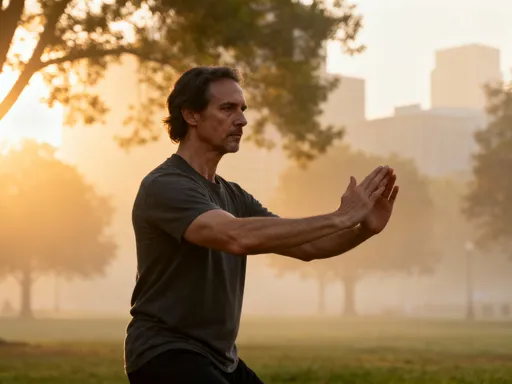
Another key benefit of gentle activity is its effect on the nervous system. Prolonged illness or inactivity can leave the autonomic nervous system in a state of imbalance—often tilted toward the 'fight-or-flight' mode, even when there’s no threat. This can result in poor sleep, irritability, and a constant sense of exhaustion. Restorative movement, such as slow walking, tai chi, or diaphragmatic breathing, activates the parasympathetic nervous system, which promotes relaxation, digestion, and repair. Studies have shown that even ten minutes of mindful movement daily can improve heart rate variability, a marker of nervous system resilience. Therefore, the goal isn’t to burn calories or build muscle during early recovery—it’s to reset the body’s internal environment for healing.
The Core Principles of Smart Rehab Training
Effective recovery training rests on three foundational principles: consistency over intensity, movement variety, and body awareness. These are not rigid rules but guiding philosophies that help individuals move safely and sustainably from fatigue to function. The first principle—consistency over intensity—challenges the cultural obsession with 'no pain, no gain.' In rehabilitation, small, repeated efforts yield better results than occasional bursts of exertion. A five-minute walk done twice a day is more beneficial than a 30-minute walk once a week, especially in the early stages. Regular movement keeps circulation active, prevents stiffness, and reinforces the body’s confidence in its ability to move without harm.
Movement variety is the second principle. The body thrives on diverse stimuli. Doing the same motion repeatedly, even if gentle, can lead to imbalances or overuse. A well-rounded recovery routine includes a mix of activities: weight-bearing movements like standing or walking, non-weight-bearing exercises like seated leg lifts, flexibility work such as gentle stretching, and coordination exercises like slow arm circles. This variety ensures that different muscle groups, joints, and systems are engaged, promoting balanced recovery. For example, someone recovering from knee surgery might alternate between ankle pumps (to improve circulation), seated marches (to engage the core and hips), and shoulder rolls (to release tension from limited mobility).
Body awareness is the cornerstone of safe progression. This means tuning in to physical signals—such as muscle fatigue, joint discomfort, breathing rate, and energy levels—rather than following a rigid schedule. Pain is an obvious red flag, but subtler signs matter too. If a person feels unusually tired the day after an activity, or if their sleep worsens, it may indicate they’ve done too much. Conversely, improved mood, better sleep, and increased stamina are green lights. Keeping a simple journal to track activities and responses can help identify patterns. The goal is not to eliminate discomfort entirely—some mild soreness is normal—but to avoid pushing into the zone of strain. Smart rehab is not about achieving perfection; it’s about learning to listen and respond with care.
Daily Habits That Multiply Recovery Gains
Exercise is only one piece of the recovery puzzle. Without supportive daily habits, even the most thoughtful rehab routine may fall short. Three key pillars—sleep, hydration, and nutrition—work synergistically to enhance healing and energy restoration. Sleep is the body’s prime time for repair. During deep sleep, growth hormone is released, tissues regenerate, and the brain clears metabolic waste. Poor or inconsistent sleep disrupts these processes, prolonging recovery. Adults need 7–9 hours of quality sleep, but those in rehab may benefit from even more. Creating a sleep-supportive environment—cool, dark, quiet—and maintaining a regular bedtime routine can significantly improve rest quality. Avoiding screens an hour before bed and limiting caffeine after noon are small changes with outsized benefits.
Hydration is equally critical. Water is involved in every metabolic process, including nutrient transport, temperature regulation, and joint lubrication. Even mild dehydration—defined as a 1–2% loss of body weight in fluids—can impair concentration, increase fatigue, and reduce physical performance. Many people underestimate their fluid needs, especially during recovery when inflammation and healing increase metabolic demand. A simple guideline is to drink enough so that urine is pale yellow. Herbal teas, broths, and water-rich foods like cucumbers and melons also contribute to hydration. For those who struggle with plain water, adding a slice of lemon or cucumber can make it more appealing.
Nutrition plays a direct role in energy and tissue repair. The focus should be on whole, nutrient-dense foods that support healing without causing inflammation. Protein is essential for muscle repair—aim for a source at every meal, such as eggs, Greek yogurt, beans, or lean poultry. Healthy fats from avocados, nuts, and olive oil support cell membranes and hormone balance. Complex carbohydrates like oats, sweet potatoes, and brown rice provide steady energy without blood sugar spikes. Eating at regular intervals helps maintain energy levels and prevents the 'crash and crave' cycle. Mindful eating—sitting down, chewing slowly, avoiding distractions—also improves digestion and nutrient absorption. These habits don’t require a complete diet overhaul; small, consistent improvements compound over time.
Designing Your Own Recovery Routine (Step by Step)
Creating a personalized recovery plan begins with self-assessment. Start by asking: What can I do today without pain or excessive fatigue? This might be sitting up in bed, standing at the sink, or walking to the mailbox. The goal is to meet yourself where you are, not where you think you should be. From there, set micro-goals—tiny, achievable targets that build confidence. For example, 'I will walk for two minutes after each meal' or 'I will do three seated stretches every morning.' These goals are not about performance; they’re about reestablishing the habit of movement.
Next, choose appropriate movements based on ability and comfort. A sample beginner routine might include: 5 minutes of deep breathing and shoulder rolls upon waking, 5 minutes of seated leg lifts and ankle circles, 3 short walks (2–3 minutes each) spaced throughout the day, and 5 minutes of gentle stretching before bed. As strength and stamina improve, these activities can be gradually extended or combined. The key is to progress slowly—adding 30 seconds to a walk or one extra repetition per day is enough. Tracking progress in a journal or calendar provides motivation and helps identify what works.
Flexibility and self-compassion are essential. Some days will feel better than others, and that’s normal. If energy is low, it’s okay to reduce the routine or skip a session. The goal is consistency over time, not perfection. On good days, resist the urge to 'make up for lost time' by overdoing it—this often leads to setbacks. Instead, celebrate small wins and trust the process. Over weeks, these micro-efforts accumulate into noticeable improvements: less stiffness, better sleep, more stamina. The routine becomes less about 'recovery' and more about reclaiming daily life.
When to Slow Down—and When to Level Up
Progress in recovery is rarely linear. There will be days of improvement followed by days of fatigue or discomfort. Learning to interpret these fluctuations is crucial. Signs that it’s time to slow down include persistent muscle soreness lasting more than 48 hours, increased joint pain, disrupted sleep, irritability, or a noticeable drop in energy. These are not failures—they are signals that the body needs more rest. Ignoring them can lead to setbacks. Slowing down doesn’t mean stopping; it might mean reducing duration, switching to gentler movements, or adding an extra rest day.
Conversely, green lights indicate readiness to advance. These include consistent energy throughout the day, improved ability to complete daily tasks, better sleep quality, and a positive mood. When these signs appear regularly, it’s safe to consider small increases in activity—such as adding one minute to a walk or introducing light resistance with bands. The key is to make only one change at a time and monitor the response. Advancing too quickly, even with good intentions, can undo progress. The goal is steady, sustainable growth, not speed. Trusting these internal cues builds confidence and reduces fear of movement, which is often a major barrier in recovery.
Long-Term Vitality: From Recovery to Resilience
True recovery extends beyond returning to baseline—it’s about building a stronger, more resilient body. Once initial healing is complete, the focus shifts from repair to maintenance. Continuing light training, even at a reduced frequency, helps preserve strength, flexibility, and energy levels. Activities like daily walking, gentle yoga, or home-based strength exercises become part of a sustainable health routine. These habits not only prevent deconditioning but also reduce the risk of future injuries or illnesses.
Mental resilience is equally important. The mindset developed during recovery—patience, self-awareness, and compassion—can transform one’s relationship with health. Instead of viewing the body as fragile, it becomes a source of strength and capability. Celebrating small victories, practicing gratitude for progress, and maintaining a positive outlook support long-term well-being. Many women in this age group find that the discipline and self-care learned during recovery spill over into other areas of life—better boundaries, improved sleep habits, and a deeper connection to their physical selves.
Ultimately, regaining energy is not about a single breakthrough but a series of intentional choices. It’s about replacing fear with knowledge, passivity with action, and isolation with empowerment. The journey from fatigue to vitality is personal, but it’s also universal. By combining intelligent movement, supportive habits, and self-awareness, women can reclaim not just their energy, but their confidence and joy in daily living. This approach doesn’t promise overnight miracles, but it delivers something more valuable: lasting, measurable change built on science, patience, and care.