How I Found Balance: My Real Talk on Chinese Wellness and Movement
For years, I felt constantly drained—busy, stressed, and out of sync. Western quick fixes didn’t help. Then I tried Chinese wellness principles, blending mindful movement with body awareness. It wasn’t magic, just real, steady change. This is my journey of how small, consistent practices reshaped my energy, mood, and strength. No hype—just what actually worked for me. I didn’t need a dramatic overhaul or expensive treatments. What I needed was a return to rhythm: a way of moving and living that honored my body’s natural signals. That path, rooted in centuries-old Chinese traditions, became my quiet revolution.
The Burnout That Started It All
On paper, my life looked balanced. I was a working mother of two, active in my community, eating salads, and logging miles on the treadmill. But inside, I was running on fumes. Every morning began with a deep sense of fatigue, no matter how many hours I slept. My mind felt foggy by midday, and by evening, I was too exhausted to engage meaningfully with my family. I relied on coffee, sugar, and sheer willpower to keep going—until one day, I couldn’t.
It wasn’t a crisis, but a quiet breaking point. I sat at my kitchen table, staring at a to-do list I knew I wouldn’t finish, and realized I hadn’t truly felt present in months. I had energy crashes, digestive discomfort, and a persistent low-grade anxiety that no amount of deep breathing seemed to ease. I visited doctors, ran blood tests, and was told repeatedly that everything was 'within normal limits.' Yet, I knew something was off. The Western medical model treated symptoms—prescribing supplements for fatigue, antacids for digestion—but never addressed the root imbalance.
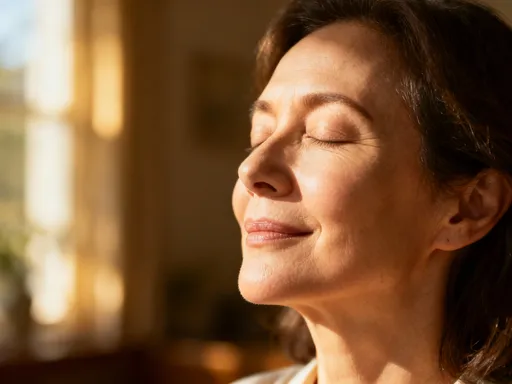
That’s when I began to wonder: what if health wasn’t just about fixing problems, but about cultivating harmony? A friend mentioned her experience with traditional Chinese wellness practices—how simply moving her body with awareness had transformed her sleep, mood, and stamina. Skeptical but desperate, I decided to explore. I wasn’t looking for a miracle. I was looking for a way to feel like myself again.
What Is Chinese Wellness, Really?
At first, the concepts of Chinese wellness felt foreign—terms like Qi, Yin-Yang, and meridians sounded more like philosophy than medicine. But as I studied, I realized these ideas were not mystical, but deeply practical frameworks for understanding the body as a dynamic system. Central to this approach is the principle of *Zhong Yi Tiao Li*—the regulation and harmonization of the body’s internal environment. Unlike Western medicine, which often isolates symptoms, Chinese wellness looks at the whole person: physical, emotional, and environmental factors working together.
Qi, often translated as 'vital energy,' is the force that animates all life processes. It flows through pathways in the body, supporting organ function, circulation, and mental clarity. When Qi is balanced and moving freely, we feel energized and resilient. When it is blocked, sluggish, or excessive, we experience fatigue, discomfort, or emotional turbulence. Yin and Yang represent complementary forces—Yin as nourishing, cooling, and restorative; Yang as active, warming, and expressive. Health, in this view, is not the absence of disease, but the ongoing dance between these energies.
Crucially, Chinese wellness does not separate movement from healing. Physical activity is not merely for burning calories or building muscle—it is a way of cultivating Qi, improving circulation, and restoring balance. This reframing was revolutionary for me. I stopped seeing movement as something to endure for weight loss or fitness goals. Instead, I began to view it as a daily practice of self-regulation, like tuning an instrument before a performance. My body wasn’t a machine to be pushed, but a living system to be listened to.
Why Movement Is Medicine in Chinese Practice
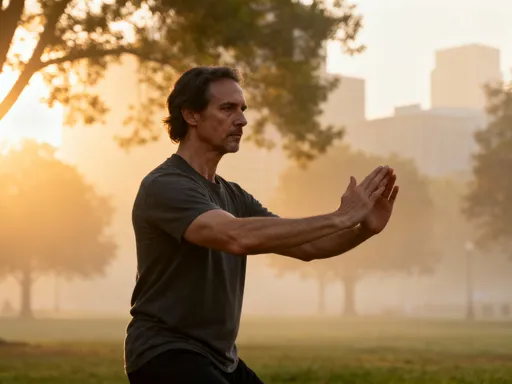
In Western fitness culture, movement is often equated with intensity—sweat, soreness, and high heart rates are seen as proof of effort. But Chinese wellness emphasizes rhythm, flow, and sustainability. Gentle, intentional movement is not lesser—it is foundational. Practices like Tai Chi, Qigong, and Dao Yin are designed to stimulate the flow of Qi, enhance blood circulation, and support the function of internal organs. These movements are slow, coordinated, and deeply mindful, often involving breath synchronization and fluid transitions.
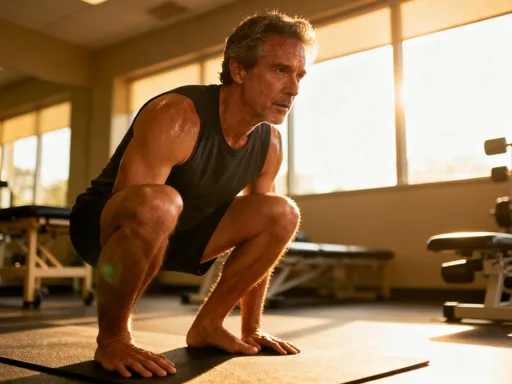
Modern science increasingly supports these ancient insights. Studies have shown that low-impact, rhythmic movement improves cardiovascular health, reduces inflammation, and enhances parasympathetic nervous system activity—the body’s 'rest and digest' mode. This is especially important for women in their 30s to 50s, who often face hormonal shifts, increased stress, and the cumulative effects of years of self-neglect. Gentle movement helps regulate cortisol, supports digestion, and improves sleep quality—without the wear and tear of high-intensity workouts.
The key difference lies in intention. Western exercise often focuses on external outcomes—how many calories burned, how fast the pace, how many reps. Chinese movement focuses on internal awareness—how the body feels, how breath and motion align, how energy shifts. It’s not about pushing through pain, but about cultivating sensitivity. Over time, this builds what practitioners call 'body intelligence'—an intuitive sense of what the body needs in any given moment. For me, this shift was transformative. I stopped chasing exhaustion as a sign of productivity and began honoring stillness as a form of strength.
My Daily Movement Routine (Simple & Doable)
I didn’t start with hour-long sessions or complex forms. My journey began with just 15 minutes each morning—something I could realistically maintain, even on chaotic days. I designed a simple sequence inspired by Tai Chi and Qigong principles, focusing on joint mobilization, breath coordination, and gentle stretching. I do it in my living room, in comfortable clothes, with no special equipment. The consistency matters more than the duration.
My routine starts with standing tall, feet shoulder-width apart, and taking three deep abdominal breaths. I then move into a series of flowing motions: rolling the shoulders, circling the wrists and ankles, and gently twisting the spine. I incorporate the 'Wave Hands Like Clouds' movement from Tai Chi, shifting weight slowly from one leg to the other while arms float side to side. Each motion is linked to the breath—inhaling as I rise or expand, exhaling as I lower or contract. This synchrony calms the nervous system and enhances focus.
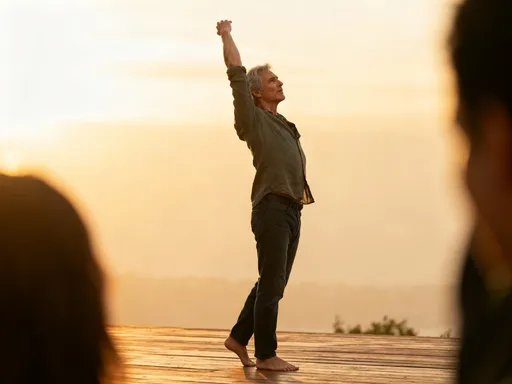
During work hours, I take two or three 'Qigong pauses'—one-minute breaks where I stand, stretch my arms overhead, and shake out my limbs. These micro-movements prevent stiffness, improve circulation, and reset my mental focus. I also practice 'Six Healing Sounds' before bed, a Qigong technique that uses gentle vocalizations to release tension from specific organs. It sounds unusual at first, but the rhythmic humming has a deeply soothing effect.
The beauty of this routine is its adaptability. On days when I feel fatigued, I reduce the range of motion or spend more time in stillness. On energetic days, I extend the practice or add a short walking meditation. There is no pressure to perform. The goal is not perfection, but presence. Over time, these small acts of care have become non-negotiable—a daily promise to myself that my well-being matters.
Mindful Motion: The Missing Link in Fitness
One of the most profound lessons I’ve learned is that movement without awareness is incomplete. In my earlier fitness attempts, I would run on a treadmill while watching TV or scroll through my phone during strength training. My body was active, but my mind was elsewhere. Chinese wellness taught me that true benefit comes when movement and attention are united. When I began to slow down and pay attention—to the sensation of my feet on the floor, the rise and fall of my ribs, the subtle shifts in balance—I noticed changes I hadn’t expected.
First, I became more attuned to my body’s signals. I noticed when my shoulders were tense, when my breath was shallow, when my hips felt tight. This awareness allowed me to adjust in real time, preventing strain and improving alignment. I also discovered that emotional tension often held in specific areas—my jaw, my lower back, my chest. As I moved slowly and intentionally, these areas began to release, sometimes accompanied by a deep sigh or a wave of warmth. It wasn’t dramatic, but it was real.
Research supports this mind-body connection. Studies show that mindful movement practices reduce perceived stress, improve emotional regulation, and enhance body image. Unlike high-intensity workouts that can elevate cortisol, gentle, focused movement activates the vagus nerve, promoting relaxation and resilience. For women managing multiple roles—parent, partner, professional—this is not a luxury, but a necessity. Mindful motion becomes a form of daily meditation, a way to return to center amidst the chaos.
Moreover, moving slowly builds strength in ways that fast, repetitive motion cannot. By engaging stabilizing muscles, improving proprioception, and enhancing neuromuscular coordination, these practices reduce the risk of injury and support long-term joint health. I no longer fear aging as a decline, but see it as an opportunity to move with greater wisdom and care.
Common Mistakes (I Made Them All)
I won’t pretend I got it right the first time. In my eagerness to 'fix' myself, I made every mistake in the book. At first, I treated my new routine like a Western workout—I pushed too hard, too fast, trying to do longer sessions or more complex movements. Within a week, I was sore, frustrated, and ready to quit. I had missed the point entirely. Chinese wellness is not about achievement; it is about attunement. The body responds best to gentle, consistent input, not forced effort.
Another mistake was ignoring rest. I thought more movement equaled better results, so I skipped days of stillness, even when I felt tired. But in Chinese medicine, rest is not passive—it is an active part of healing. The body repairs, integrates, and rebalances during periods of quiet. I learned to honor my energy cycles, taking rest days not as failures, but as essential maintenance. I also began to notice seasonal rhythms—slowing down in winter, expanding in spring—and aligning my practice accordingly.
Perhaps the biggest trap was chasing quick results. I wanted to feel 'fixed' in a week. When that didn’t happen, I doubted the practice. But Chinese wellness operates on a different timeline—one of gradual, cumulative change. Benefits emerge over weeks and months: better sleep, improved digestion, a calmer mind. It’s not flashy, but it’s lasting. Letting go of urgency allowed me to embrace the process, not just the outcome.
Building a Lifestyle, Not a Fix
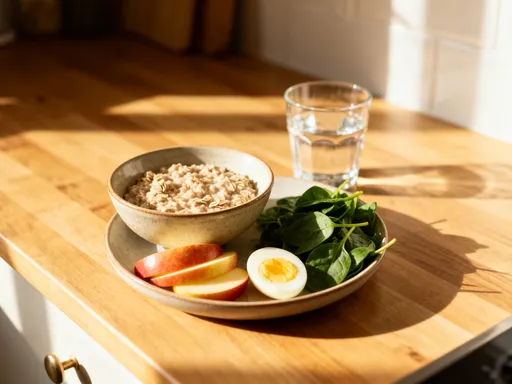
The most important shift was moving from a 'fix-it' mindset to a 'live-well' mindset. Chinese wellness isn’t a program you complete; it’s a way of being. It’s not about doing more, but about being more present in what you already do. I began to see how movement, sleep, hydration, and eating were interconnected threads in the fabric of health. A short morning practice set the tone for better food choices. Better sleep made me more likely to move mindfully. Hydration supported circulation and energy flow.
I also learned to integrate wellness into daily life. I walk mindfully, noticing my breath and posture. I eat without screens, savoring each bite. I prioritize sleep, creating a calming evening routine. These aren’t grand gestures, but small, sustainable habits that compound over time. The result is not a perfect life, but a more resilient one—one where I can handle stress without collapsing, recover from illness more quickly, and enjoy deeper connections with my family.
Sustainability beats intensity every time. A 15-minute practice I can do daily is more powerful than an hour-long session I abandon after two weeks. Chinese wellness taught me patience, self-compassion, and the value of small, consistent actions. It’s not about adding more to my plate, but about transforming how I move through each day.
Conclusion
This isn’t about perfection—it’s about presence. Chinese wellness taught me that true health flows from alignment, not force. By tuning into my body’s rhythm through simple, intentional movement, I’ve gained more energy, clarity, and calm than ever before. This path isn’t flashy, but it’s real. And if I can do it, so can you—with patience, awareness, and a little daily care. The body remembers balance. It just needs the time, space, and gentle guidance to return to it. You don’t need to overhaul your life. You just need to begin—where you are, as you are, with what you have. That’s where real change starts.