How I Balanced Movement and Meals to Feel Better Every Day
We all know exercise and eating well matter, but finding the right balance can feel overwhelming. I used to skip workouts or eat on the run—until small, consistent changes transformed how I feel daily. It’s not about extreme diets or hours at the gym. It’s about smart, sustainable choices that work together. In this article, we’ll explore how pairing moderate physical activity with balanced nutrition supports long-term vitality—no hype, just real, science-backed steps you can start today.
The Myth of "All or Nothing" in Health
Many people approach health with an "all or nothing" mindset, believing that unless they are following a strict meal plan or spending an hour at the gym every day, they are failing. This black-and-white thinking creates unrealistic expectations and often leads to frustration. When life gets busy, even a single missed workout or a less-than-perfect meal can feel like a full collapse of progress. As a result, many abandon their efforts altogether, reinforcing the belief that they lack willpower or discipline.
The truth is, health is not built in extremes. Lasting well-being comes from consistency, not intensity. Research consistently shows that small, manageable changes are more likely to stick than dramatic overhauls. For example, a daily 20-minute walk has been linked to improved heart health and better mood regulation over time, especially when maintained for months or years. Similarly, choosing water over sugary drinks most days has a cumulative positive effect on energy and weight management without requiring perfection.
Sustainability lies in flexibility. The most effective health routines allow for occasional deviations without guilt. A balanced approach means eating nourishing foods most of the time while still enjoying family meals or treats in moderation. It means moving your body regularly, even if some days it’s just stretching or a short stroll. By shifting focus from perfection to progress, women in their 30s, 40s, and 50s can build routines that fit real life—not an idealized version of it.
Why Your Body Loves Moderation
Moderate physical activity is one of the most powerful tools for long-term health, particularly for women navigating the changes that come with age. Unlike high-intensity workouts that can strain joints and increase injury risk, moderate movement—such as brisk walking, swimming, or cycling at a steady pace—supports the body gently but effectively. The American Heart Association recommends at least 150 minutes of moderate-intensity aerobic activity per week, a guideline backed by decades of research linking it to lower risks of heart disease, type 2 diabetes, and cognitive decline.
One of the key benefits of regular moderate exercise is its effect on cardiovascular function. When you move at a steady pace, your heart strengthens over time, pumping blood more efficiently. This improved circulation delivers oxygen and nutrients to tissues more effectively, which enhances energy levels and mental clarity. Additionally, moderate activity stimulates the release of endorphins and serotonin—chemicals in the brain that help regulate mood and reduce feelings of stress and anxiety. Many women report feeling calmer and more centered after a simple walk, even when their day has been chaotic.
Beyond the heart and mind, moderate movement supports metabolic balance. When physical activity is consistent but not excessive, the body maintains a stable blood sugar response. This helps prevent energy crashes and reduces cravings for sugary or processed foods. Movement also aids digestion by stimulating the muscles of the gastrointestinal tract, promoting regularity. For women experiencing hormonal shifts during perimenopause or menopause, this kind of routine can help manage weight and improve sleep quality, both of which are closely tied to metabolic health.
Importantly, moderate exercise allows for proper muscle recovery. Unlike intense training that may require days of rest, low-to-moderate activity can be performed daily without overloading the body. This means consistency becomes easier to maintain, and the benefits compound over time. The body thrives on rhythm—small, repeated actions that build resilience without burnout.
Fueling Movement the Right Way: What to Eat and When
Nutrition and physical activity are not separate strategies—they are partners in supporting daily energy and long-term health. What you eat directly influences how well your body responds to movement. Eating balanced meals with a mix of carbohydrates, protein, and healthy fats ensures that your body has the fuel it needs for activity and the building blocks required for recovery. Timing also plays a role, though it doesn’t need to be rigid or complicated.
Carbohydrates are the body’s preferred source of energy, especially during physical activity. Choosing complex carbohydrates—such as whole grains, fruits, beans, and vegetables—provides a steady release of glucose into the bloodstream, preventing energy spikes and crashes. For example, having a small apple with a tablespoon of peanut butter about 30 to 60 minutes before a walk can provide just enough fuel without causing discomfort. After movement, replenishing glycogen stores with a balanced meal helps the body recover and prepares it for the next day.
Protein is essential for muscle repair and maintenance. As women age, preserving muscle mass becomes increasingly important for mobility, balance, and metabolism. Including a source of lean protein—such as eggs, Greek yogurt, tofu, chicken, or legumes—in each main meal supports this process. A simple post-walk meal like a spinach omelet with whole grain toast delivers both protein and nutrients that aid recovery. Even small amounts of protein throughout the day, such as in snacks, can make a meaningful difference over time.
Fats should not be feared—they are crucial for hormone production, brain health, and sustained energy. Healthy fats from sources like avocados, nuts, seeds, and olive oil help you feel full and satisfied, reducing the urge to snack on less nutritious options. A handful of almonds or a slice of avocado on a sandwich can enhance satiety and provide essential nutrients. The key is balance: no single macronutrient should dominate, and processed foods high in refined sugars and unhealthy fats should be limited without being completely banned.
Real-Life Routines That Actually Work
The most effective health strategies are not found in fitness magazines or viral trends—they are built into everyday life. Consider a typical day for a woman in her 40s managing a household and career. Waking up 20 minutes earlier to take a brisk walk around the neighborhood sets a positive tone. That same walk could be repeated after dinner, turning it into family time or a quiet moment for reflection. These short bouts of activity add up to the recommended weekly total without requiring a gym membership or complicated schedule.
Meals can be just as practical. Breakfast might include oatmeal topped with berries and a sprinkle of chia seeds, providing fiber, antioxidants, and omega-3s. Lunch could be a large salad with mixed greens, grilled chicken, chickpeas, and a vinaigrette made with olive oil—nutrient-dense and easy to prepare in advance. Dinner might feature baked salmon, quinoa, and roasted vegetables, offering a balance of protein, complex carbs, and healthy fats. Snacks like yogurt, fruit, or a small handful of nuts help maintain energy between meals without overeating at the next sitting.
Small behavioral changes make these routines sustainable. Habit stacking—pairing a new behavior with an existing one—can be highly effective. For instance, doing a few stretches while the coffee brews in the morning or drinking a glass of water before every meal are simple additions that require little effort but yield long-term benefits. Environment design also plays a role: keeping walking shoes by the door, prepping snacks in advance, or storing fruit in a visible bowl encourages healthier choices without relying on willpower.
Tracking progress doesn’t have to mean counting calories or logging every step. A non-judgmental approach—such as noting how you feel each day, how your clothes fit, or how easily you climb stairs—can be more motivating than numbers on a scale. The goal is not perfection but awareness and consistency. Over time, these small habits become second nature, forming the foundation of a healthier, more vibrant life.
Common Pitfalls (And How to Avoid Them)
Even with the best intentions, many women encounter obstacles on their health journey. One of the most common is overexercising—pushing too hard in an effort to "make up" for less active days or indulgent meals. This can lead to fatigue, joint pain, or injury, especially as the body becomes less resilient with age. Overtraining also disrupts sleep and increases stress hormones like cortisol, which can interfere with weight management and overall well-being.
Another frequent issue is undereating, often in response to increased activity. Some believe that more movement means they should eat less, but this can backfire. When the body doesn’t receive enough fuel, metabolism slows down as a protective mechanism. This can lead to fatigue, difficulty concentrating, and increased hunger later in the day, often resulting in overeating. The body needs adequate nutrition to recover and function optimally, especially when physical activity becomes a regular part of life.
Obsessing over perfection is another trap. Labeling foods as "good" or "bad" can create guilt and shame around eating, which undermines long-term success. Similarly, rigid tracking of every calorie or step can become stressful rather than helpful. Fad diets that promise rapid weight loss—such as extreme low-carb or juice cleanses—often lead to short-term results followed by regain, as they are difficult to maintain and may deprive the body of essential nutrients.
Instead of chasing quick fixes, it’s more effective to pay attention to internal cues. Energy levels, sleep quality, mood, and digestion are powerful indicators of whether your routine is working. If you feel tired, irritable, or constantly hungry, it may be a sign to adjust your food intake or reduce intensity. Listening to your body fosters a healthier relationship with movement and food, one rooted in self-care rather than punishment.
Building a Lifestyle, Not a Shortcut
True health is not a destination—it’s a way of living. The most lasting changes come not from short-term diets or fitness challenges, but from daily choices that support well-being over time. Consistency matters far more than intensity. A 20-minute walk five days a week has a greater long-term impact than an occasional hour-long workout followed by days of inactivity. Similarly, eating balanced meals most days is more beneficial than eating perfectly for a week and then returning to old habits.
Shifting your mindset is key. Health should be viewed as an act of self-respect and care, not a form of punishment for indulging or being "lazy." This perspective reduces guilt and fosters a more positive relationship with your body. Women who see movement as a gift—a way to feel strong, clear-minded, and capable—are more likely to stick with it. The same applies to food: choosing nourishing options should feel empowering, not restrictive.
Personalization is essential. No single plan works for everyone. Some women thrive on morning workouts, while others feel best moving in the evening. Some prefer three main meals, while others do better with smaller, more frequent eating. The goal is to find what fits your schedule, preferences, and energy levels. Flexibility allows for adjustments during travel, holidays, or stressful periods without derailing progress. Health is not about rigid rules—it’s about building a routine that supports your life, not controls it.
Putting It All Together: A Practical Framework
Creating a sustainable health plan doesn’t require complicated tools or expensive programs. A simple weekly framework can guide both movement and nutrition in a balanced way. Start by scheduling three to five moderate activity sessions—such as walking, swimming, or cycling—for 20 to 30 minutes each. These can be spread throughout the week based on your energy and availability. Add in light movement on other days, like stretching or gardening, to stay active without overexertion.
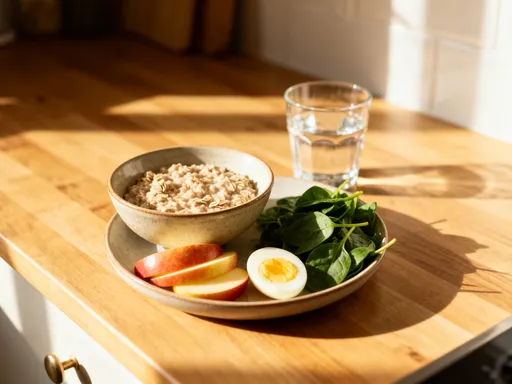
For meals, aim to include a source of protein, complex carbohydrate, and healthy fat at each main meal. Use a simple plate model: half filled with vegetables or fruit, one-quarter with lean protein, and one-quarter with whole grains or starchy vegetables. This visual guide makes balanced eating intuitive without counting macros. Prepare one or two meals in advance each week to reduce decision fatigue during busy days. Keep healthy snacks on hand—like cut vegetables, hard-boiled eggs, or nut butter packets—to avoid reaching for processed options when hunger strikes.
Use practical tools to stay on track without pressure. A hunger scale—from 1 (starving) to 10 (extremely full)—can help you eat when truly hungry and stop when comfortably satisfied. An activity log, even a simple checklist, can increase awareness and motivation. Meal planning templates, whether on paper or in a notes app, simplify grocery shopping and reduce last-minute takeout decisions. These tools are not about perfection—they are about support.
Remember, progress is gradual. Small improvements in how you feel—more energy, better sleep, improved mood—are signs of success, even if the scale doesn’t change. Celebrate these wins. Over time, the combination of balanced movement and mindful eating becomes a natural part of your life, not a burden. You don’t need to be perfect. You just need to keep going.
Sustainable health comes from balance, not extremes. It’s about pairing moderate physical activity with nourishing food choices in a way that fits your life. The goal isn’t a dramatic transformation—it’s feeling better every day. Small, consistent actions add up to lasting change. Start where you are, use what you have, and do what you can. True vitality isn’t found in perfection. It’s found in persistence, self-compassion, and the quiet commitment to care for yourself—one thoughtful choice at a time.